**SAVE Act Battle Escalates as GOP Ties Voter ID Law to Shutdown Deal**
Key Takeaways:
- House Republicans are pushing to attach the SAVE Act, a voter ID bill, to a bipartisan funding deal.
- Senator Chuck Schumer strongly opposes the bill, calling it “Jim Crow-era” legislation.
- The package threatens to prolong the government shutdown if no agreement is reached.
Washington, D.C. — The “save act” is trending as a pitched political fight unfolds in Congress over voter ID requirements and government funding. House Republicans are demanding the inclusion of the SAVE Act — short for “Safeguarding American Voter Eligibility Act” — in a temporary funding bill backed by former President Donald Trump. Senate Democrats, led by **Senator Chuck Schumer**, have categorically rejected the move, warning it could lead to a prolonged government shutdown.
Schumer Calls Voter ID Demands a Dealbreaker
Senate Majority Leader **Chuck Schumer (D-NY)** did not mince words this week, stating that the inclusion of voter ID requirements in the spending package would be a “poison pill” destined to **“kill any legislation”** it’s attached to. Speaking to press and through an official statement, Schumer castigated the proposed voter ID requirements as reminiscent of racially discriminatory **Jim Crow-era policies**, emphasizing that any attempt to federalize stringent ID laws would face immediate rejection in the Senate.
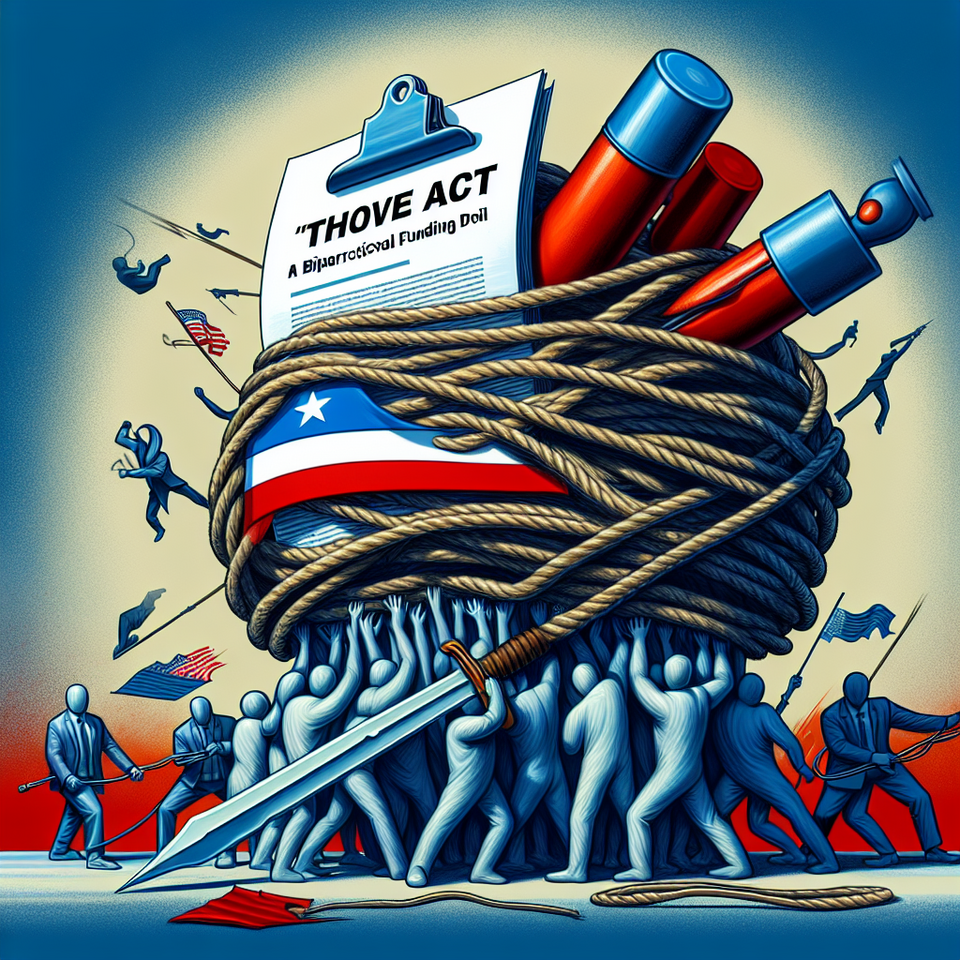
The current standoff emerged after House Republicans pushed to link the SAVE Act to a bipartisan five-bill spending package. That package excludes the controversial Department of Homeland Security bill and instead maintains current funding levels for two additional weeks, giving lawmakers more time to negotiate. But by adding demands for voting reforms, the GOP has escalated what was expected to be a temporary truce into what some are now calling a looming shutdown crisis.
What the SAVE Act Proposes — and Who Supports It
The updated **SAVE America Act**, championed by **Rep. Anna Paulina Luna (R-FL)**, would tighten voter registration rules across the country. It would require people to present **government-issued photo identification before voting**, mandate states to obtain **proof of citizenship in-person** during registration, and instruct states to routinely **purge non-citizens from voter rolls**. Supporters, including high-profile Republicans like **Sen. Rick Scott (R-FL)** and **Sen. Mike Lee (R-UT)**, argue these measures are reasonable steps toward boosting trust in elections.
“If you are a minority that wants a voter ID, apparently you are for racist policies according to Schumer,” Luna posted on social media platform X, pushing back against claims of voter suppression. Meanwhile, **House Speaker Mike Johnson (R-LA)** faces internal pressure from conservatives insisting that election security must be part of any final spending compromise. **Rep. Eric Burlison (R-MO)** declared, “No spending package should come out of the House without the SAVE Act attached.”
Why Now? The Politics Behind the Showdown
This push comes amid mounting Republican frustration with what they view as a lax approach to elections. The GOP’s move to incorporate the SAVE Act into a broader funding deal is largely seen as a power play during sensitive negotiations with Senate Democrats. Leveraging the shutdown threat forces Democrats to either accept the voter ID demands or risk public backlash for extending a government closure.
Trump’s behind-the-scenes support has added fuel to the political pressure. Although the original compromise on the spending bill was negotiated with input from both parties, Trump’s allies have since hardened their positions, urging conservatives not to compromise without significant wins on “election integrity.” Democrats, in contrast, argue that these tactics are not just extreme, but intentionally disruptive. They argue that the SAVE Act arrives wrapped in partisanship, with no path to the needed 60 votes in the Senate for passage.
Shutdown Looms Without a Path Forward
If concessions are not made soon, Congress is on track for another federal government shutdown. A prolonged closure could affect thousands of federal employees, Social Security benefits, and national services across multiple departments. The inclusion of a controversial election bill only complicates an already delicate funding puzzle — inviting a legislative ping-pong between the House and Senate that could delay compromise indefinitely.
Some moderate lawmakers are reportedly urging Republican leadership to separate the issues, fearing public blame for the shutdown fallout. However, with Trump siding with hardliners and primary season around the corner, many House Republicans appear unwilling to budge.
Frequently Asked Questions
Q: Why is the SAVE Act trending?
A: The SAVE Act is trending because of its central role in a heated debate over voter ID laws tied to a potential government shutdown deal.
Q: What happens next?
A: Congress faces a deadline within days to pass a temporary funding bill. If the voter ID language remains, it could trigger a prolonged government shutdown.
#SaveAct