**Power Outages Surge Amid Winter Storms: How Americans Can Stay Warm**
Key Takeaways:
- A sharp increase in U.S. power outages is linked to ongoing winter storms
- Searches for “power outage near me” have spiked as sub-zero temperatures hit multiple states
- Experts urge heat-preserving strategies and emergency prep as restoration delays persist
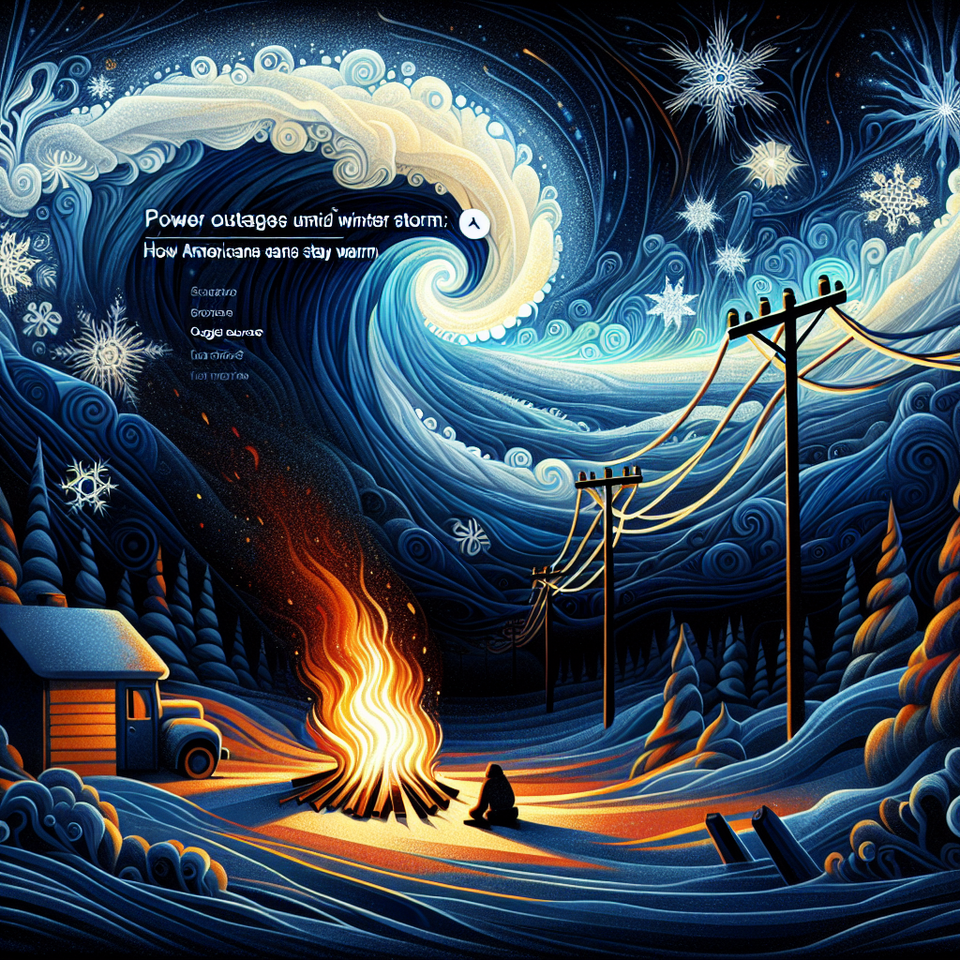
Denver, CO — “Power outage near me” trended sharply on Google this week as a series of winter storms caused widespread electrical disruptions across the U.S. Midwest, Plains, and Northeast. Frigid air, freezing rain, and snow-coated power lines knocked out electricity for hundreds of thousands, prompting households to search for ways to stay warm without access to heat.
Severe Weather Hits Infrastructure Hard
Over the past 48 hours, intense winter conditions triggered emergency power shutdowns and damage to infrastructure in multiple states including Michigan, Pennsylvania, Texas, and Colorado. According to PowerOutage.us, more than 280,000 customers were left without electricity during the worst of the storm system, which began late Tuesday, January 9.
Authorities cited ice accumulation on power lines and tree branches, strong wind gusts, and arctic temperatures as the primary culprits. In some areas, downed lines and blocked roads have slowed utility company response times. As a result, residents turned to digital platforms like Google to stay updated on local outage zones and explore alternate methods to retain warmth indoors.
Heat Retention Becomes Urgent Focus
With many homes struggling to stay above 60°F, safety officials and meteorologists shared immediate actions people can take to retain heat. Meteorologist Rob Shackelford, writing for weather.com, advised closing curtains to limit heat loss through windows and gathering into a single, higher-floor room to combine body heat.
“Use towels to cover door gaps and reverse ceiling fans to push warm air back down,” Shackelford wrote in a January 10 article currently circulating across national weather platforms. “These methods can make a significant difference in maintaining comfort temporarily.”
He also emphasized dressing in multiple layers, moving perishables outside if it’s below freezing, and checking in regularly for weather changes using apps like The Weather Channel.
Storm Severity Drives Search Spike
While power outages aren’t uncommon during winter, the intensity and timing of this week’s storm system have compounded its impact. Meteorologists cited a combination of Arctic air mass, low-pressure systems, and jet stream dips as the force behind the back-to-back storms. By Wednesday morning, snow totals reached over 12 inches in parts of New York and Pennsylvania, further slowing utility repairs.
This has coincided with a spike in web searches related to outages, such as “how to keep warm during power outage,” “power outage map,” and the widely trending “power outage near me.” Data from Google Trends shows regional spikes in queries across Detroit, Buffalo, and Dallas, areas directly impacted by rolling blackouts or grid overloads.
Utilities Urge Patience As Crews Work in Hazardous Conditions
Utility companies have issued statements stressing the dangers crews face in attempting to restore power. In much of the Midwest, icy roads and falling tree limbs continue to hinder repair efforts. In Texas, ERCOT asked residents to conserve electricity as intense demand tested the grid’s post-2021 resiliency redesigns.
“It’s frustrating for customers, but safety is our top priority,” said Amanda Dirks with Colorado’s Xcel Energy. “We’ve brought in out-of-state repair crews, but icy conditions limit what can be done quickly.”
Emergency Prep and Long-Term Impacts
Experts say the events of this week are a sobering reminder of the growing instability of energy infrastructure during extreme weather events. The rise in severe winter storms — fueled in part by shifts in the polar vortex and warmer ocean temperatures — is placing greater stress on the country’s electrical grid than seen in previous decades.
In response, emergency managers have renewed calls for households to assess their winter preparedness. High-efficiency portable generators, battery-powered lights, and stockpiles of shelf-stable food are some of the recommendations from climate resilience groups.
In the short term, consumers can expect elevated heating costs and potential delays in government services as utility failures stretch recovery timelines. State and national weather services continue to monitor additional storm systems expected to form later this week.
Frequently Asked Questions
Q: Why is “power outage near me” trending?
A: A large winter storm system has caused widespread blackouts across multiple U.S. regions, leading to a spike in related searches.
Q: What happens next?
A: Utilities are gradually restoring power as weather improves. Another storm front is expected to arrive by January 13, potentially compounding issues.
#WinterStorm