**Mold Contamination Shutters Baltimore School, Forces Relocation of 600 Students**
Key Takeaways:
- Francis Scott Key Elementary/Middle School closed after mold was discovered in walls.
- Nearly 600 students temporarily relocated to former Thurgood Marshall Middle School building.
- Parents expressed concerns about long-term health effects and education disruption.
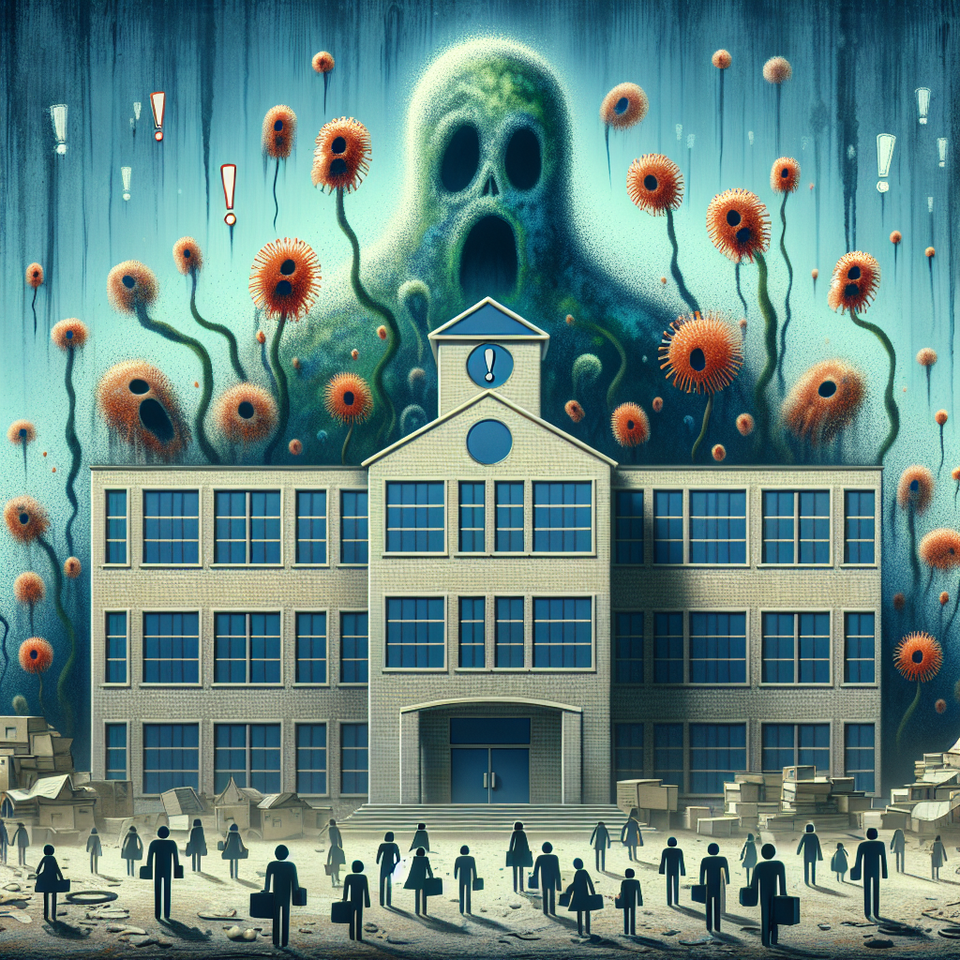
Baltimore, MD — The topic “baltimore city public schools” is trending after the closure of Francis Scott Key Elementary/Middle School in Locust Point due to a mold contamination issue, forcing the temporary relocation of nearly 600 students. The disruption has sparked concern among parents, prompted emergency action from school officials, and raised questions about infrastructure conditions in Baltimore’s public schools.
Mold Discovery Forces Campus Shutdown and Student Relocation
The incident was triggered by a pipe burst in a heating unit on January 6, which flooded multiple classrooms at Francis Scott Key Elementary/Middle School. An environmental inspection later revealed mold hidden behind the walls. Although officials claim it posed no immediate risk — stating, “No elevated levels in the interior space,” and confirming that black mold was not detected — the school was closed as a precautionary measure.
The nearly 600 affected students are being shifted to the former Thurgood Marshall Middle School on Sinclair Lane for at least one month. Virtual learning continues through February 3, with in-person classes at the new location set to begin February 4, contingent on final preparations. Officials tentatively plan for students to return to Francis Scott Key by March 2, assuming the building receives environmental clearance.
Parents Demand Clarity Amid Health and Safety Fears
Concern among the school community has not abated despite official reassurances. At a Thursday night meeting held at Digital Harbor High School, parents voiced anxieties over both health and logistical impacts. “I am concerned about any type of later ramifications of health concerns coming out later,” said one parent. Another questioned, “What does the space look like, is it clean… is it conducive to learning?”
Elana Lander-Portnoy, a parent, commented on the difficulties the move poses for families with working parents. “Things are constantly changing… everyone’s trying to work together to make it happen but it’s very hard for working parents.” These comments underscore ongoing frustrations within the community over the unpredictability of school changes amid infrastructure issues.
Systemic Infrastructure and Oversight Issues Resurface
This episode adds to a growing list of infrastructural challenges facing Baltimore City Public Schools. Problems ranging from outdated HVAC systems to heating failures in winter and broken cooling systems in summer have plagued the district for years. The mold discovery has further highlighted concerns about aging facilities and the adequacy of regular maintenance procedures.
In parallel developments, Maryland lawmakers are actively considering implementing independent inspector general oversight for Baltimore County Schools, as indicated in a related FOX45 News report. Though that proposal pertains to a neighboring district, it reflects the broader accountability debate looming over public school administration in the region.
While the district hired an environmental firm to assess and remediate the mold situation promptly, the episode raises urgent questions about the long-term capital improvement plans of Baltimore’s public school system, especially in underserved or older buildings.
Uncertain Timeline and Continued Learning Disruptions
The short-term plan aims to resume in-person learning on February 4 at the Thurgood Marshall site. However, officials have emphasized that the duration of this arrangement will depend on ongoing evaluations and testing at the original campus. If clearance is delayed, the temporary relocation could extend past the March return date.
From a curricular standpoint, families face additional challenges as their children transition between remote, makeshift, and relocated classroom formats within a matter of weeks. For some students, educational continuity and access to support services may suffer — issues that disproportionately affect low-income and special-needs students. Officials say they are working to provide transportation solutions, digital tools, and counseling to help minimize impact.
Frequently Asked Questions
Q: Why is “baltimore city public schools” trending?
A: A mold contamination issue closed Francis Scott Key Elementary/Middle School, displacing nearly 600 students, raising public concern and media attention.
Q: What happens next?
A: Students begin in-person classes at a temporary location on February 4. Officials plan to resume classes at the original building on March 2, pending evaluations.
#BaltimoreSchools