**Rising Interest Rates Drive Surge in Credit Card Costs and Household Debt**
Key Takeaways:
- Fed monetary policy has pushed credit card rates to record highs, surpassing 20% APR on average
- Consumers are taking on more revolving credit, raising concerns about household debt sustainability
- Rising credit costs coincide with broader scrutiny of housing and auto loan affordability
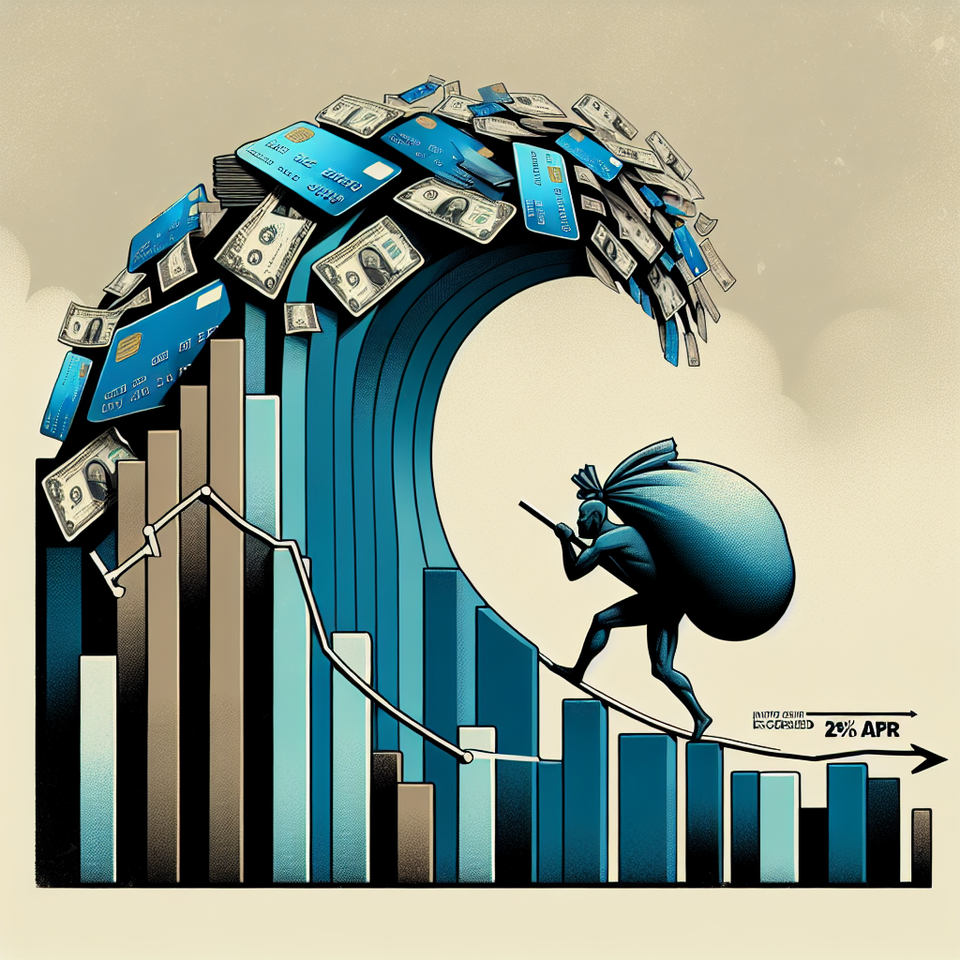
WASHINGTON, D.C. — Credit card interest rates and usage are spiking amid a wider increase in consumer debt pressure, tying directly to the U.S. Federal Reserve’s recent rate policies. As the Fed held its benchmark rate steady on Wednesday, new data show that average credit card APRs now exceed 20.7%, a record level that is placing enormous strain on borrowers nationwide.
Fed’s Tightening Cycle Fuels Expensive Borrowing
On Wednesday, June 12, 2024, the Federal Reserve announced it would keep interest rates unchanged for the seventh consecutive meeting, opting to maintain the federal funds rate at a 23-year high range of 5.25%–5.50%. While inflation has eased modestly, officials are not yet confident enough to begin easing monetary policy. This has direct implications for variable credit products. Since credit card interest rates are closely tied to the Fed’s benchmark, every rate hold or hike keeps rates elevated.
According to a report released by Bankrate on Wednesday, the average annual percentage rate (APR) for credit cards in the U.S. now stands at 20.74%, up from 16.65% just two years ago. Issuers are also tightening credit underwriting, even as Americans lean more on revolving debt to manage day-to-day expenses under ongoing inflationary pressure.
High Credit Card Use Signals Financial Strain
Over the past year, Americans have significantly increased their credit card balances. According to the Federal Reserve Bank of New York, credit card balances hit a record $1.12 trillion in Q1 2024, fueled by persistent inflation in goods, services, housing, and transportation. As affordability for mortgages and auto loans declines due to high rates, more households are relying on credit cards as a financial buffer.
Unlike fixed debt like mortgages, credit cards carry variable rates, making them particularly sensitive to Fed decisions. “The cost of carrying a balance is the highest we’ve seen in decades,” said Ted Rossman, senior analyst at Bankrate. Economists warn this may disproportionately affect low- to middle-income households already struggling with higher living costs.
What Higher Credit Card Rates Mean for Consumers and the Economy
Short term, consumers will likely continue accumulating debt at higher interest—putting pressure on discretionary spending and savings. In the long term, elevated borrowing costs may suppress economic growth as more income is diverted towards interest payments. If delinquencies rise, this could spill into broader financial system risks. The Fed has signaled a possible rate cut later in 2024, but markets remain cautious and divided.
Experts urge consumers to prioritize paying down high-interest debt and explore transfers to lower APR products where possible. Lenders may also adapt by offering hardship programs to retain borrowers in good standing.
Frequently Asked Questions
Q: Why is credit card trending?
A: The topic is trending due to soaring credit card interest rates and balances following the Fed’s latest rate decision.
Q: What happens next?
A: The Fed could begin cutting rates later in 2024 if inflation continues to slow, potentially easing credit card APRs.
#creditcardrates