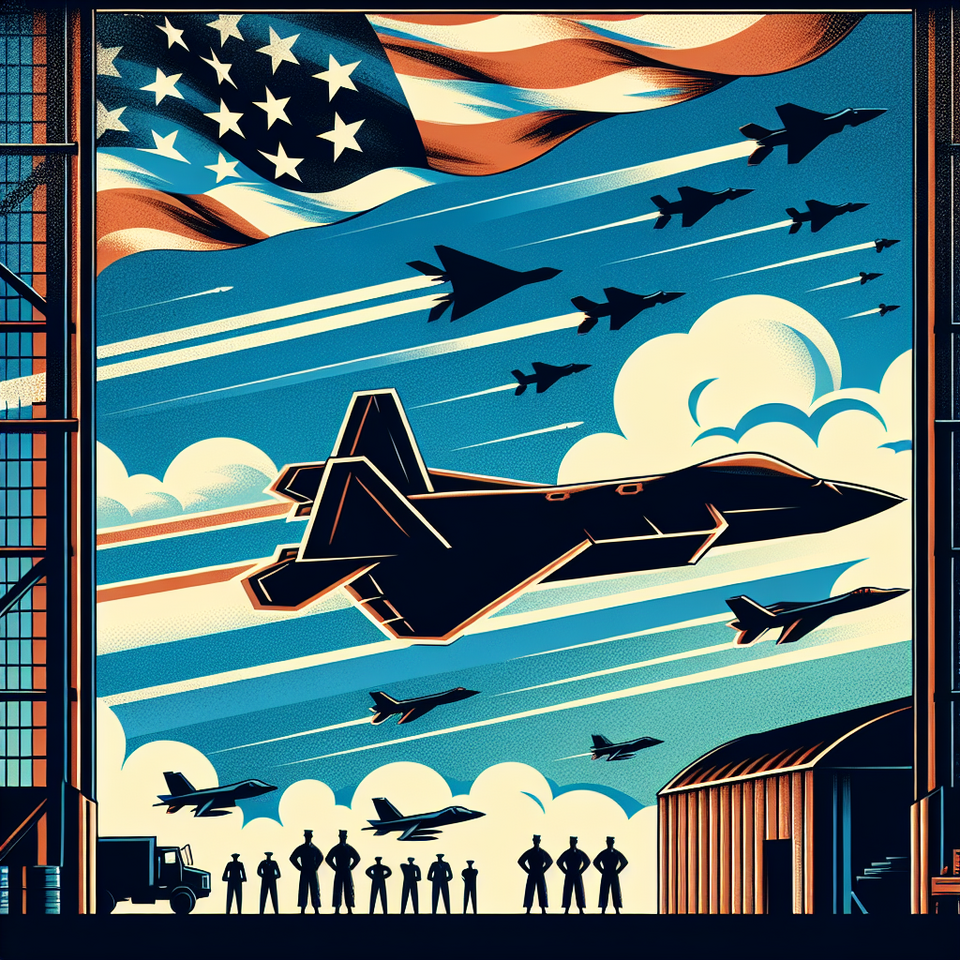
**F-22s Cut from Super Bowl Flyover Amid Global Military Operations**
Key Takeaways:
- F-22 Raptors removed from Super Bowl flyover due to operational deployment
- Air Force and Navy coordinate joint flyover with iconic bombers and fighters
- Flyover showcases U.S. airpower as a symbolic tribute on national stage
Santa Clara, California — The highly anticipated “Super Bowl flyover aircraft” lineup has garnered attention after the U.S. Air Force confirmed that F-22 Raptors, originally scheduled for this Sunday’s pre-game spectacle at Super Bowl LX, have been pulled due to operational demands. The surprising last-minute change highlights how real-world military priorities outweigh ceremonial roles—even on America’s biggest entertainment weekend.
Operational Demands Force Adjustment to Air Power Display
Katie Spencer, Sports Outreach Program manager for the Department of the Air Force, explained to Military Times that the flyover was initially designed to feature fifth-generation fighter jets from both the Air Force and Navy: F-22 Raptors and F-35C Lightning IIs. However, “operational tempo has increased,” Spencer said, requiring the advanced stealth fighters to be reassigned to undisclosed missions abroad.
Instead, the final flyover formation will include the following aircraft: the Air Force B-1B Lancer, F-15C Eagle, Navy F/A-18 Super Hornets, and F-35C Lightning IIs. Notably, aerial silhouettes of the F-22 remain on the event’s commemorative patch—initially puzzling to observers—providing a trace of what could have been before geopolitical deployments altered plans.
National Security Missions Take Precedence
While the Air Force declined to elaborate in detail, military aviation analysts connect the F-22’s removal to ongoing global operations. In late January and early February, the U.S. conducted airstrikes on ISIS targets in Syria under Operation Hawkeye Strike, and in June, the F-22 played a critical role in Operation Midnight Hammer, which targeted Iranian nuclear infrastructure with the B-2 Spirit bombers. The redirection of the F-22 fleet suggests increased readiness needs or active deployments linked to strategic deterrence.
A Flyover with Symbolism and Strategy
The final lineup—drafted after about a year of coordination with the NFL, NBC, and FAA—still aims to evoke both awe and patriotism. Unique in its joint-service composition, this Super Bowl marks the first time Air Force and Navy aviators team up for the event. The flyover, set to roar over Levi’s Stadium in Santa Clara, home of the San Francisco 49ers, will be more visible than some years, thanks to the venue’s open-air design.
“We wanted a unique display of air power,” Spencer said. “The B-1, known as ‘the Bone,’ was a no-brainer. Our bombers are iconic and replicate what it means to be time-over-target.” She emphasized that flyovers are not displays of unnecessary expense. “They are legitimate training exercises for aircrews,” she noted, reinforcing the idea that no additional taxpayer funding is allocated for their execution.
Guard Units and Veterans Fill the Gap
With the F-22s reassigned, the Air Force tapped an alert unit of F-15C Eagles from the California Air National Guard’s 144th Fighter Wing in Fresno to fill the gap. “Our Guard members have stepped in to fill that role, and we’re super grateful for that,” Spencer added. The adaptive solution showcases the depth and flexibility of the U.S. military’s air fleet and reserve components.
On the ground, a joint color guard from the Military District of Washington will honor the flag and represent all U.S. military branches—including the newest, the Space Force. The event also ties into broader national celebrations, as planners made this flyover part of commemorating the 250th anniversary of the United States.
A Public Display of Readiness and Reach
Aircraft flyovers at major American events like the Super Bowl serve dual purposes—symbolic and strategic. For recruiters, it’s a marquee opportunity. For military planners, it demonstrates readiness and technology. But for viewers worldwide, the loud roar of jets overhead is a reminder of American ultramodern defense capabilities and global reach.
While the F-22 Raptors’ absence may disappoint aviation fans, their current deployment is a sobering reminder that behind every ceremonial image lie real missions, real adversaries, and real-time decisions made far from stadium lights.
Frequently Asked Questions
Q: Why is super bowl flyover aircraft trending?
A: The F-22 Raptors were removed from the Super Bowl flyover due to urgent operational deployments, sparking public interest in the revised lineup and the missions behind the change.
Q: What happens next?
A: The revised flyover will proceed on Sunday, February 11, over Levi’s Stadium as planned, showcasing a formidable display of air power with different but equally iconic jets.
#SuperBowlFlyover