**Astronomers Capture Detailed Images of Star Explosions in Real Time**
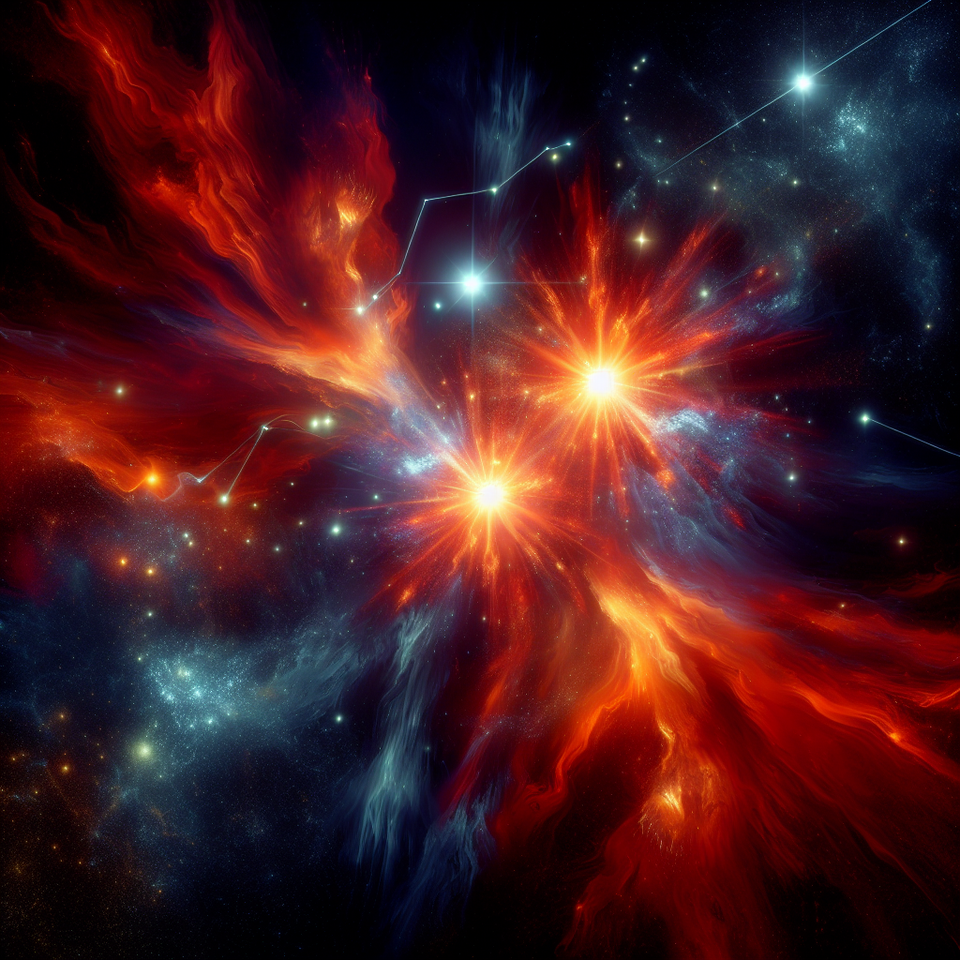
Astronomers have captured the most detailed images ever of two exploding stars, known as novae, just days after they erupted. This discovery was published on December 5, 2025, and marks a major step forward in understanding how stars die.
A nova is a powerful explosion on the surface of a dying star, usually caused when it steals material from a nearby companion star. Until now, astronomers could only view these explosions long after they occurred, missing key moments at the beginning.
Using the European Southern Observatory’s Very Large Telescope (VLT) and the Atacama Large Millimeter/submillimeter Array (ALMA), scientists were able to observe the novae only days after they began. These instruments are some of the most powerful tools for space observation and allowed the team to capture close-up views of the explosions.
The images revealed new levels of complexity. Instead of a simple burst of energy, the novae showed multiple layers of material being thrown out, as well as rapid changes in shape. According to the research team, this challenges the traditional idea that a nova releases matter in a uniform shell. Instead, they are now believed to be more like a messy, layered explosion that varies with time.
One of the researchers explained that seeing these changes in real time helps scientists understand the early moments of a star’s explosion, which may be key to learning more about how stars live and die.
These findings could also improve our understanding of where certain important elements in the universe come from. After all, many of the elements that make up planets—and even human bodies—are formed in star explosions.
The team plans to continue using powerful telescopes to observe more novae in early stages. This could help scientists create better models to predict how different types of stars behave when they die. The ability to study these events as they happen is expected to lead to more discoveries in the near future.
#StarExplosion