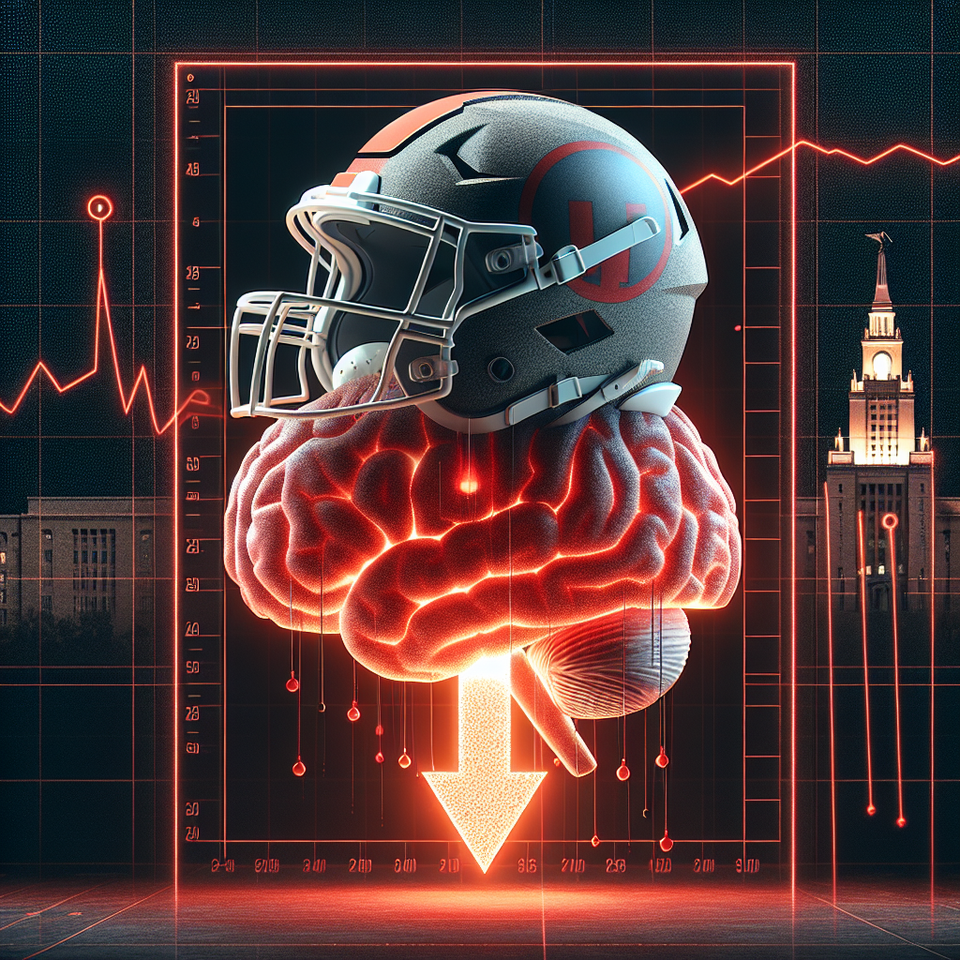
**Red Light Therapy Shows Promise in Preventing CTE in Football Players**
Key Takeaways:
- A new University of Utah study shows red light therapy may reduce brain inflammation that leads to CTE.
- College football players using the therapy showed significantly less brain inflammation over the season.
- Experts call the results “groundbreaking,” but caution that more large-scale tests are necessary.
Salt Lake City, UT — “CTE” is trending after new research revealed that a widely accessible therapy—red light or photobiomodulation—could potentially protect athletes from the neurodegenerative brain condition chronic traumatic encephalopathy. The study, published within the last 48 hours by University of Utah Health, observed promising signs that near-infrared light treatment may mitigate brain inflammation associated with repeated head trauma in contact sports like football.
Major Breakthrough from University of Utah Study
In what experts are calling a “groundbreaking” development, researchers at University of Utah Health conducted a 16-week trial involving 26 collegiate football players. Half of the athletes used a Vielight Neuro Gamma helmet device that delivers targeted near-infrared light to the skull and nasal cavity, three times per week for 20 minutes per session.
By the end of the 2023 football season, MRI scans revealed notable differences: those in the placebo group had exhibited widespread increases in brain inflammation. By contrast, teammates who received the infrared treatment experienced no measurable increase in inflammation—and exhibited protective effects across nearly all brain regions monitored during the study.
“There’s no way this can be real,” was the initial reaction from Dr. Hannah Lindsey, the study’s lead author. But subsequent scans confirmed the findings. Dr. Shae Datta, concussion expert at NYU Langone, who wasn’t involved in the research, said the results are impressive and have potential therapeutic relevance. Because inflammation is believed to be a key driver of CTE’s progression, reducing it early could prevent long-term damage.
A Growing Crisis in Contact Sports
CTE has become one of the most urgent health topics in sports. The condition, first observed in boxers and now found in more than 100 deceased NFL players, is caused by repeated blows to the head and leads to symptoms such as confusion, aggression, memory loss, and even impaired motor function. It cannot be diagnosed in living patients and has no cure or proven treatment.
Currently, the only reliable way to reduce CTE risk is limiting exposure to head trauma. This includes improved helmet design, fewer full-contact practices, and safer gameplay. Yet with football and other contact sports ingrained in American culture and affecting millions of children, teens, and pros, pressure is rising to find solutions that can allow safe play without long-term repercussions.
Previous red light therapy studies have shown low-level laser treatments can accelerate wound healing, reduce joint pain, and even improve mood. However, this is one of the first serious bodies of research suggesting that it could affect brain inflammation tied directly to sports-related concussion and CTE.
Implications for Athletes and Clinical Research
Medical professionals stress that while the helmet-based light therapy showed efficacy, this is not the same red light offered in beauty salons or consumer devices. Dr. Kristen Dams-O’Connor, of Mount Sinai’s Brain Injury Research Center, underscored it must meet very specific wavelength and intensity standards to properly penetrate brain tissue.
“There are no drugs. It’s non-invasive. There appear to be no major side effects,” noted Dams-O’Connor. As long as further testing supports these early results, this therapy could become a preventative intervention in both collegiate and professional team settings. NFL teams, NCAA institutions, and eventually high school programs may explore such devices as part of standard off-field care, much like cold tubs and massage guns are used today.
Fueling its credibility, the research team is launching a new Department of Defense-funded trial involving 300 participants—including veterans, first responders, and athletes—who are already dealing with long-term concussion-related symptoms. That study is set to begin recruitment in early 2026 and could solidify red light therapy’s therapeutic status beyond sports alone.
Frequently Asked Questions
Q: Why is cte trending?
A: A new University of Utah study found that red light therapy may reduce brain inflammation in athletes and help prevent CTE, sparking widespread attention.
Q: What happens next?
A: A Department of Defense trial with 300 participants suffering from brain injuries will launch in 2026 to further test red light therapy.
#CTE #FootballSafety #RedLightTherapy #BrainInjuryResearch #SportsMedicine