**Carlos Lehder’s Revelations Renew Interest in Pablo Escobar-Cuba Drug Ties**
Key Takeaways:
- Carlos Lehder’s new claims revive scrutiny on ties between Pablo Escobar and Cuba’s government
- Interview alleges formal collaboration between Fidel Castro’s regime and the Medellín Cartel
- Searches for “pablo escobar” surge as Latin American media revisit 1980s drug trafficking routes
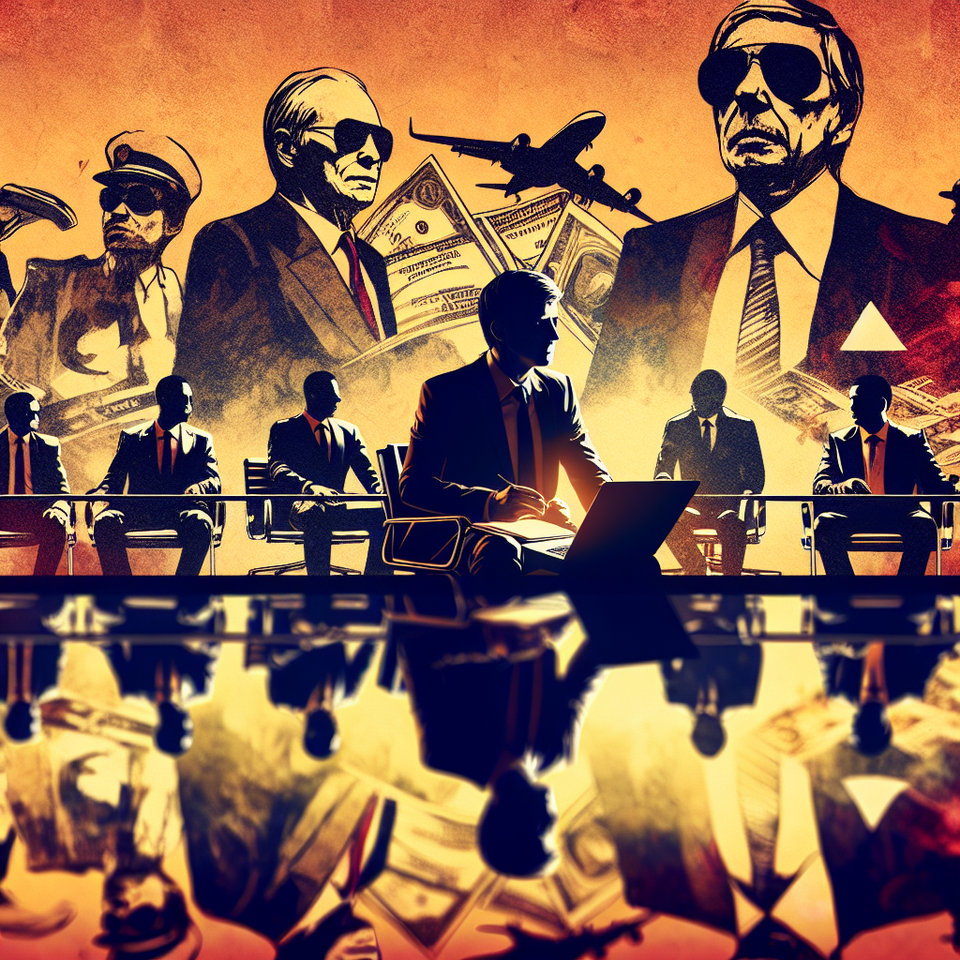
Miami, FL — “Pablo Escobar” is surging on search engines this week after former Medellín Cartel co-founder Carlos Lehder publicly recounted how the Colombian drug lord collaborated with the Cuban government during the height of the 1980s cocaine trade. Lehder’s new statements, aired in a Latin American investigative production published on July 8, 2024, accuse Fidel Castro’s regime of facilitating cocaine shipments to the United States in exchange for a cut of the profits.
Lehder Claims Havana Was a Strategic Route for Cocaine
In a televised interview aired by Colombian network NTN24, Lehder claimed that Cuba’s then-leader Fidel Castro allowed Escobar’s cartel to use Cuban territorial waters and airspace to transport large quantities of cocaine headed for the U.S. market. Lehder stated: “La dictadura cubana tenía conocimiento total de lo que estábamos haciendo y nos cobraba por ello,” translating to, “The Cuban dictatorship had full knowledge of what we were doing and charged us for it.”
He also named specific Cuban intelligence operatives, claiming they were responsible for securing safe passage of cocaine-loaded aircrafts. The former narcotrafficker, released from U.S. prison in 2020 and now residing in Germany, said the deal began in the early 1980s and continued until escalating U.S. pressure led to its gradual dissolution.
Escobar’s Regional Reach Resurfaces in Political Discourse
This isn’t the first time Pablo Escobar’s ties with regional governments have been suggested, but Lehder’s public testimony adds first-hand detail to longstanding suspicions. His statements arrive amid an ongoing reevaluation of Cold War-era covert operations across Latin America, invigorated by recently declassified U.S. documents and growing public interest in transnational corruption networks. The revival of this narrative has prompted calls in Colombia and Cuba for deeper historical investigations.
Online searches for “pablo escobar” rose sharply after the broadcast, particularly across South America, where Escobar’s crimes—and alliances—remain incendiary issues decades after his 1993 death.
Impact on Cuban Politics and International Relations
The renewed public discussion could pressure Cuba’s government to address historic allegations previously dismissed as propaganda. Some political analysts suggest the revelations could also affect current U.S.-Cuba relations, particularly around any bilateral anti-narcotics policy frameworks. While both governments have yet to officially respond, diplomatic watchers are monitoring for statements.
Meanwhile, the Colombian public is reacting strongly to Lehder’s claims, with reactions ranging from outrage to dismissal. Calls for an official inquiry involving declassified military and intelligence cooperation files are gaining traction in Colombian Congress.
Frequently Asked Questions
Q: Why is pablo escobar trending?
A: Former Medellín Cartel co-founder Carlos Lehder accused Cuba’s government of collaborating with Pablo Escobar’s cartel during a new TV interview, reigniting public interest.
Q: What happens next?
A: Colombian and Cuban authorities may face pressure to declassify documents or respond to Lehder’s allegations in upcoming policy briefings or press conferences.
#PabloEscobar