**2026 World Cup Faces Backlash Amid U.S. Geopolitical Controversies**
Key Takeaways:
- The 2026 FIFA World Cup is facing renewed global scrutiny over U.S. foreign policy actions.
- Recent moves by the Trump-led U.S. administration, especially involving Venezuela, have sparked comparisons to past authoritarian hosts.
- Critics argue the U.S.-dominated tournament symbolizes the politicization and moral decline of FIFA events.
New York, NY — The topic “fifa world cup 2026” is trending after widespread criticism erupted over the upcoming tournament’s association with current U.S. foreign policy, particularly in light of recent events in Venezuela. Opinion pieces, notably one by Leander Schaerlaeckens published in the last 48 hours, are drawing sharp comparisons between the 2026 World Cup and past tournaments hosted by authoritarian regimes, igniting global concern and debate about the integrity of the event.
Controversy Over Venezuela and U.S. Influence
In the most recent escalation, **U.S. forces reportedly abducted Venezuela’s sitting president and his wife**, an incident confirmed by multiple reports last week. This development was quickly followed by a declaration from **President Donald Trump** that the South American nation is now functionally under U.S. control. The incident has amplified fears of neocolonialism and has been heavily criticized in media as an egregious flex of power by the U.S., now under a second Trump administration.
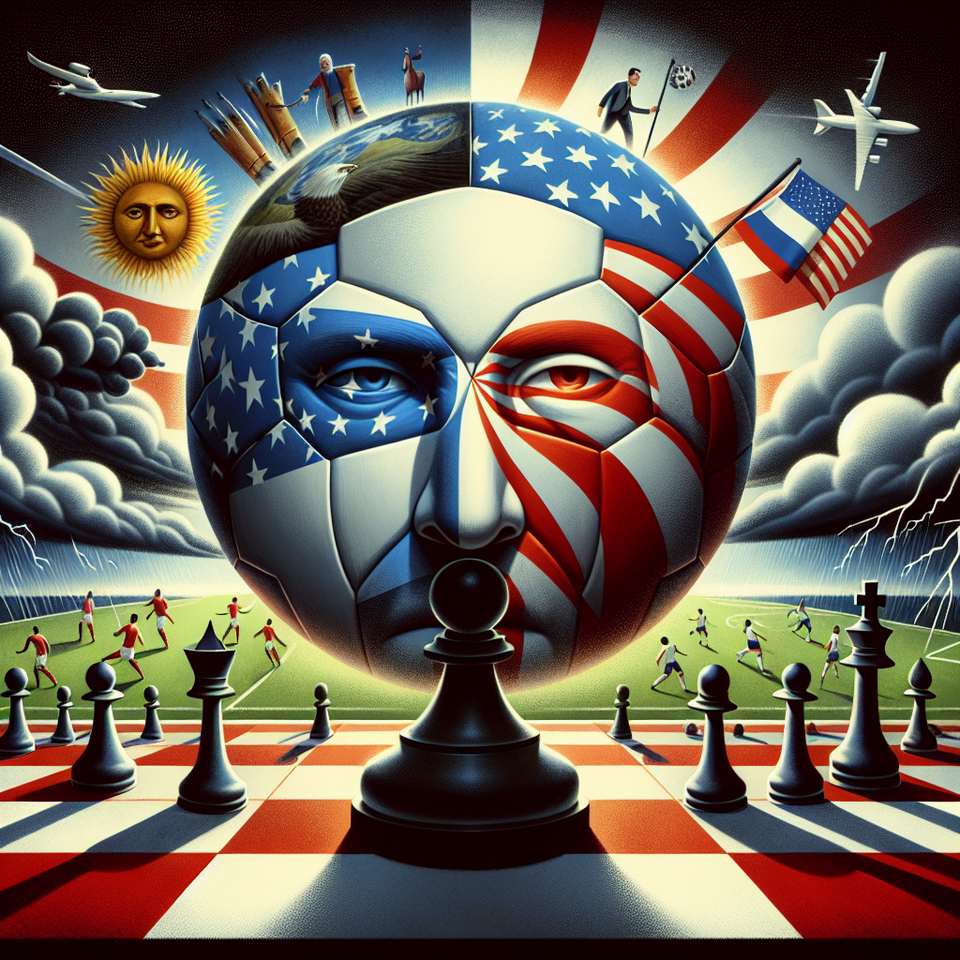
These actions are being linked to the 2026 World Cup, which the U.S. is hosting alongside Canada and Mexico. But critics argue the U.S. has overwhelmingly dominated the tournament’s narrative, logistics, and symbolism. As such, activists and independent journalists are framing the event as a platform for U.S. soft power, much like **Italy in 1934 under Mussolini** and **Argentina in 1978 under Videla**, both of whom used the World Cup to distract from internal abuses and geopolitical aggression.
Historic Parallels and Warnings Resurface
The comparison to past authoritarian World Cup hosts has reignited calls from scholars and human rights observers questioning FIFA’s ethical compass. In 1934, Italy turned its hosting into a propaganda tool for fascist power, while Argentina in 1978 masked systemic violence under the World Cup’s global spotlight. Analysts argue the 2026 version risks being listed among these ignoble editions.
The sentiment has gained momentum amidst a broader transformation of the World Cup into a politically-charged spectacle. From **Qatar 2022’s labor abuses** to **Saudi Arabia’s 2034 bid**, concerns over “sportswashing” and human rights abuses have become commonplace. The U.S.’s current record — including **threats to Mexico**, **attempts to annex Canada**, and **targeted military actions in Latin America** — has fueled criticism that FIFA has yet again chosen to ignore politics in favor of profit.
What This Means for FIFA and the 2026 Tournament
With under two years before kickoff, the 2026 World Cup faces a credibility crisis. Despite co-hosting with Canada and Mexico, global perception focuses on the U.S., especially in light of actions considered unilateral and destabilizing. FIFA President Gianni Infantino’s vocal support of Donald Trump, including participation in awarding symbolic honors, has only deepened criticism that FIFA has aligned itself with controversial regimes.
Unless fan-led movements or diplomatic boycotts emerge, the tournament is likely to proceed as scheduled. However, this wave of scrutiny could undercut fan enthusiasm, marketing strategies, and global goodwill. Critics warn that the silence of FIFA and its corporate sponsors in the face of mounting accusations may set a dangerous precedent for future tournaments.
Frequently Asked Questions
Q: Why is fifa world cup 2026 trending?
A: The 2026 tournament is trending due to backlash over recent U.S. foreign policy actions, especially in Venezuela, raising fears that the World Cup will be politicized and misused as a soft power tool by an increasingly aggressive U.S. administration.
Q: What happens next?
A: Barring major protests, the tournament will proceed, but watchdogs and journalists are expected to ramp up coverage of FIFA’s political entanglements and the implications of hosting rights under controversial governments.
#WorldCup2026